- Have any questions?
- (210) 698-1721
- qbsupport@bizmonitoring.com

Public
Gambling and culture How perceptions shape the odds of success
Understanding Gambling through Cultural Lenses
Gambling is often perceived differently across cultures, shaping both societal attitudes and individual behaviors. In some cultures, gambling is seen as a leisure activity associated with celebration and socialization, while in others, it may be regarded with suspicion or moral disapproval. These contrasting perspectives directly influence how individuals approach gambling, affecting their likelihood of participating and their strategies for success. For example, in cultures where gambling is celebrated, many people might find themselves enjoying popular games at casino123 without fear of stigma.
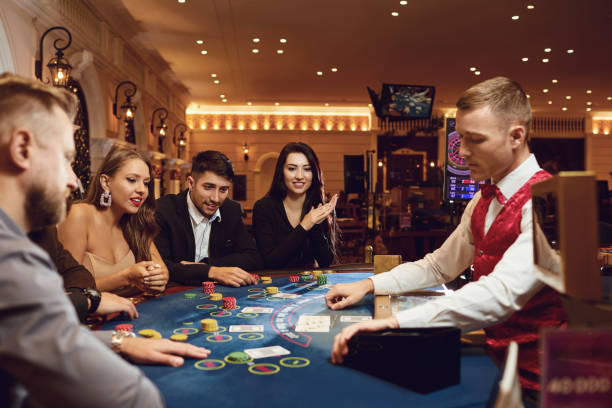
Moreover, cultural narratives around luck and fortune can significantly alter perceptions of gambling. In many societies, stories of good fortune tied to gambling create a mythos that encourages participation. Such narratives can lead individuals to believe that success in games of chance is not merely random but is intertwined with cultural beliefs, superstitions, and rituals. This belief can, in turn, affect their expectations and engagement with different gambling activities, resulting in varying outcomes.
Additionally, the legality of gambling in different regions plays a crucial role in shaping perceptions. In countries where gambling is legal and regulated, individuals may view it as an entertainment option akin to sports or movies. Conversely, in areas where gambling is restricted or illegal, perceptions can shift towards viewing it as taboo or a vice. This dichotomy can lead to either a flourishing gambling culture or a suppressed one, ultimately affecting individual behaviors and odds of success in gambling ventures.
The Influence of Social Norms and Peer Pressure
Social norms play a pivotal role in shaping how individuals perceive gambling and their willingness to participate. In communities where gambling is widely accepted, there is often a strong social pressure to engage in these activities. This peer influence can manifest in both positive and negative ways. For instance, individuals may feel encouraged to try their luck in casinos or online gaming platforms simply to fit in with their friends or family. This collective engagement can increase the odds of success for many as they share strategies and insights.
Conversely, in environments where gambling is frowned upon, individuals may experience stigma or disapproval for participating in such activities. This social pressure can lead to feelings of guilt or anxiety, which may adversely impact their performance. When individuals approach gambling with a sense of shame or fear of judgment, their decision-making processes can be impaired, resulting in poorer outcomes. Thus, social norms are instrumental in both promoting and hindering success in gambling contexts.
Moreover, group dynamics can significantly affect gambling behaviors. Group outings to casinos or participation in betting pools can create an atmosphere of camaraderie, which can enhance the enjoyment of gambling. This social context can lead to shared experiences that reinforce positive perceptions of gambling as a fun and rewarding activity. However, this can also lead to irresponsible behaviors if not carefully managed, illustrating the complex interplay between culture, social norms, and gambling outcomes.
Psychological Factors and Their Role in Gambling
The psychology of gamblers is deeply intertwined with cultural perceptions and societal influences. Cognitive biases, such as the illusion of control or the gambler’s fallacy, can skew an individual’s understanding of their chances of success. For example, many gamblers may believe that they can influence the outcome of a game through their actions or decisions, despite the inherent randomness involved. These psychological phenomena can lead to overconfidence and subsequent losses, as individuals misjudge their odds based on cultural narratives that emphasize luck or skill.
Moreover, the emotional aspects of gambling cannot be overlooked. The thrill of winning or the despair of losing can elicit strong emotional reactions that influence future gambling behaviors. Cultures that celebrate gambling victories often reinforce these emotional highs, creating an addictive cycle where individuals return for more, driven by the desire to replicate past successes. This dynamic highlights how psychological factors, driven by cultural perceptions, can create a loop that affects the odds of success for individuals.
Additionally, the concept of risk-taking is often glamorized in various cultures, influencing individuals to engage in high-stakes gambling. The idea that taking risks can lead to great rewards can motivate people to try their luck in scenarios where they may otherwise hesitate. This cultural endorsement of risk-taking can lead to higher participation rates, yet it also raises the stakes of loss, illustrating the dual nature of gambling psychology influenced by cultural perceptions.
The Role of Technology and Modern Gambling Culture
With the rise of technology, the landscape of gambling has shifted dramatically, impacting cultural perceptions and participation rates. Online gambling platforms provide unprecedented access to games, allowing users to gamble anytime and anywhere. This convenience can lead to an increase in participation, as barriers to entry diminish. However, the perception of online gambling as less serious or less risky can also influence outcomes, with individuals sometimes engaging in reckless behavior due to the perceived anonymity of online interactions.
Furthermore, modern marketing strategies have transformed how gambling is perceived culturally. Advertisements often portray gambling as an exciting and glamorous activity, reinforcing positive stereotypes while glossing over potential risks. This portrayal can attract a younger audience, who may see gambling as a trendy pursuit rather than a potential financial risk. Such marketing shapes societal attitudes and individual behaviors, thereby altering the odds of success based on a skewed understanding of gambling.
In addition, the integration of social media into the gambling experience has created new forms of engagement and community-building. Gamblers can now share experiences, victories, and strategies on various platforms, fostering a sense of belonging. However, this constant connection can also amplify pressures to participate and succeed, which can lead to unrealistic expectations and heightened emotional stakes. Thus, the modern gambling culture, heavily influenced by technology, is reshaping how individuals perceive their odds of success in the gaming world.

Casino123.com: Your Gateway to the Gambling Experience
Casino123.com embodies a modern approach to online gaming, providing users with access to a diverse array of gambling options. From slots to table games and live dealer experiences, the platform is designed to cater to both seasoned players and newcomers. The environment is intended to be engaging and secure, ensuring that individuals can explore their gaming preferences with peace of mind. This commitment to quality and user experience is reflective of the cultural shift towards online gambling.
Moreover, Casino123.com recognizes the importance of informed decision-making in gambling. By offering educational resources and support, the platform empowers users to understand the games they play better and to make choices that align with their risk tolerance and goals. This educational aspect is crucial in a culture often dominated by misconceptions and myths about gambling, ultimately enhancing users’ chances of success.
As the online gaming landscape continues to evolve, Casino123.com remains dedicated to adapting to cultural shifts and technological advancements. The platform aims to create a supportive and informative environment that encourages responsible gambling. By understanding how cultural perceptions shape gambling behaviors, Casino123.com seeks to redefine the odds of success for all users, making the gambling experience not only entertaining but also enriching and safe.